That reflective quality is at the root of Hul le Kes. Arnhem offers shelter from the storm, a quietness in which to imagine a world that feels more aligned with our values. A world not dictated by convention, but by care, craftsmanship and a desire for meaning.
When we presented our Autumn/Winter 2026 collection during Paris Fashion Week, the contrast with the wider industry was once again made painfully clear. The setting was professional and polished, but we could feel just how different we operate.
While others asked about delivery windows and discount strategies, we were reminded that our way of working doesn’t fit the standard script. We’re not here to play by the usual rules. And yet, we’re very much part of this world, choosing to be in dialogue with it; but always on our own terms.
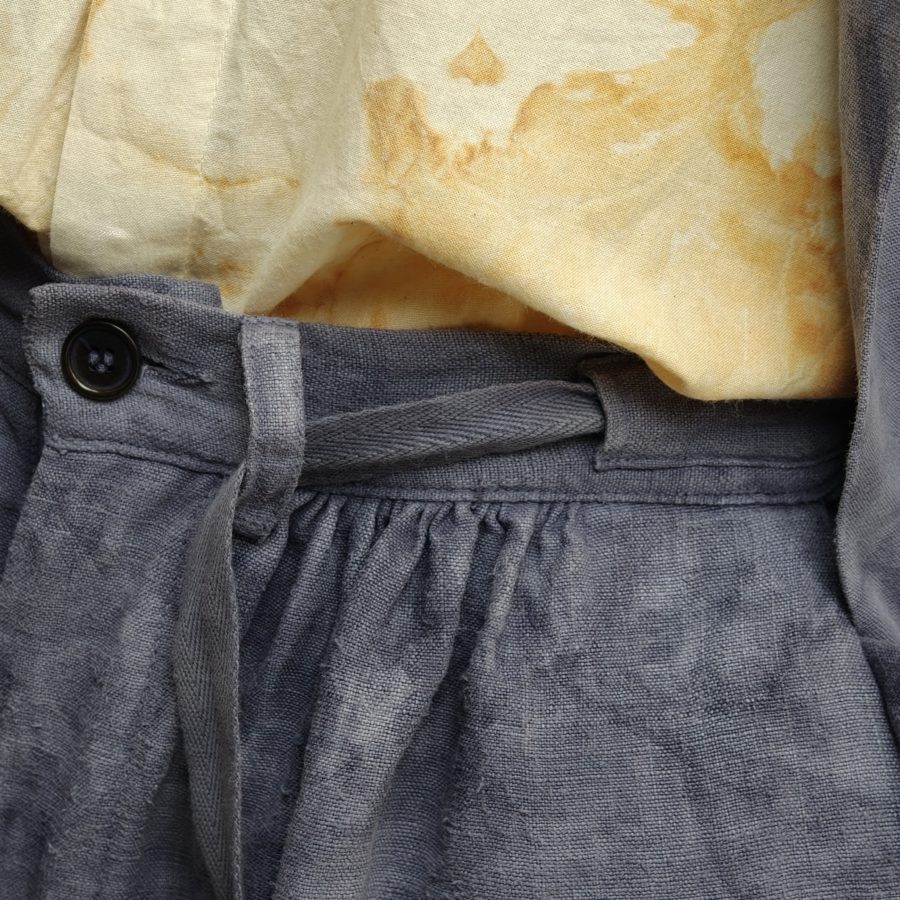
After six years of developing Hul le Kes, our approach feels completely natural to us. Using only existing materials, desinging collections that interconnect, thinking about the afterlife of a garment. It all seems self-evident to us.
Production locally, with attention to people and process, is no longer something we have to explain ourselves. And yet, it remains the exception rather than the norm. IN Paris we were once again the outliers, and perhaps that’s exactly where we need to be.
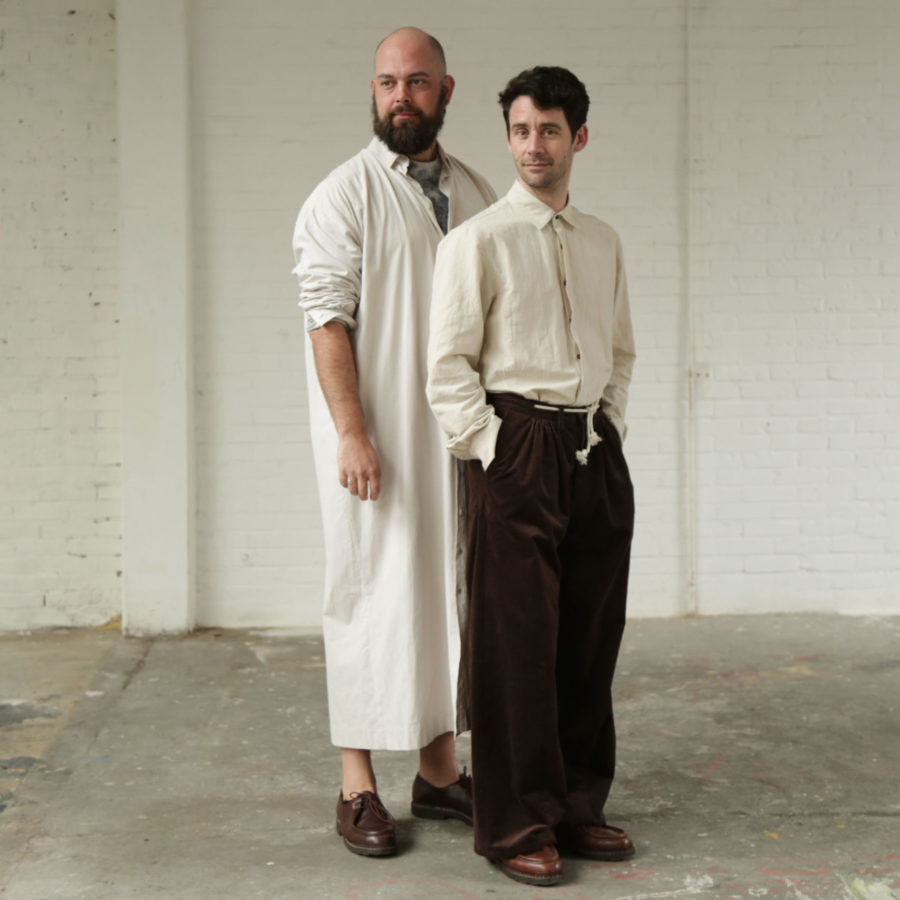
Sonja Noël from STIJL in Brussels called us “philosophers in fashion“. I had never thought of us that way, but there is truth in it. Our work is driven by questions. We ask ourselves what fashion can mean. What role it can play in someone’s life. What values it should carry.
That position, one where financial gain does not lead the way, opens up space for something else: depth, intimacy, experimentation. It allows us to think beyond trends, to create systems rather than just garments. That’s not always easy, but it is meaningful.
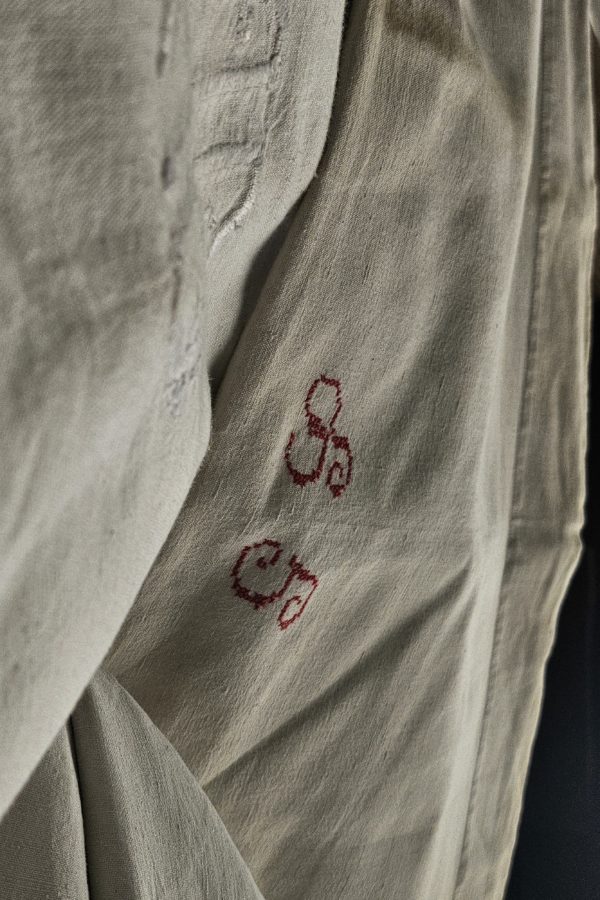
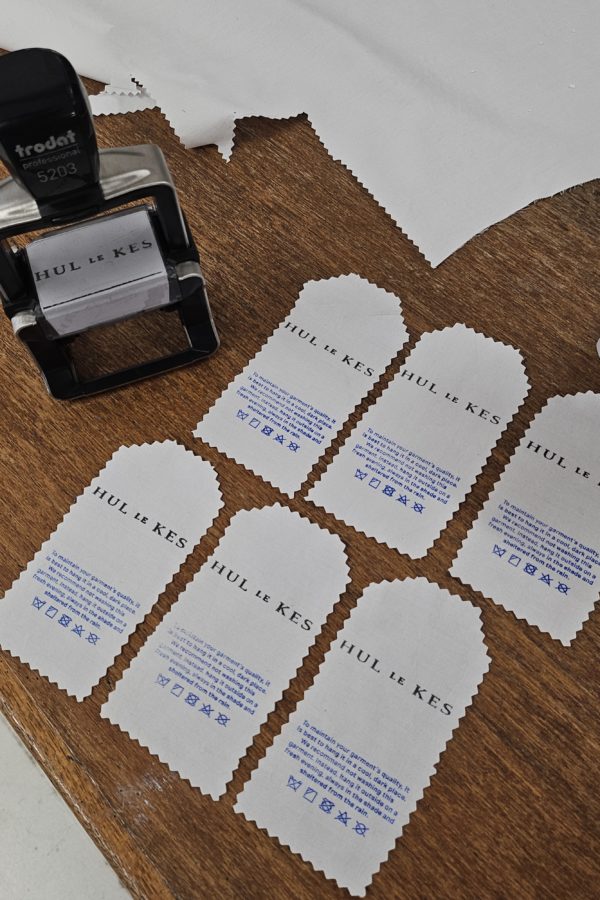
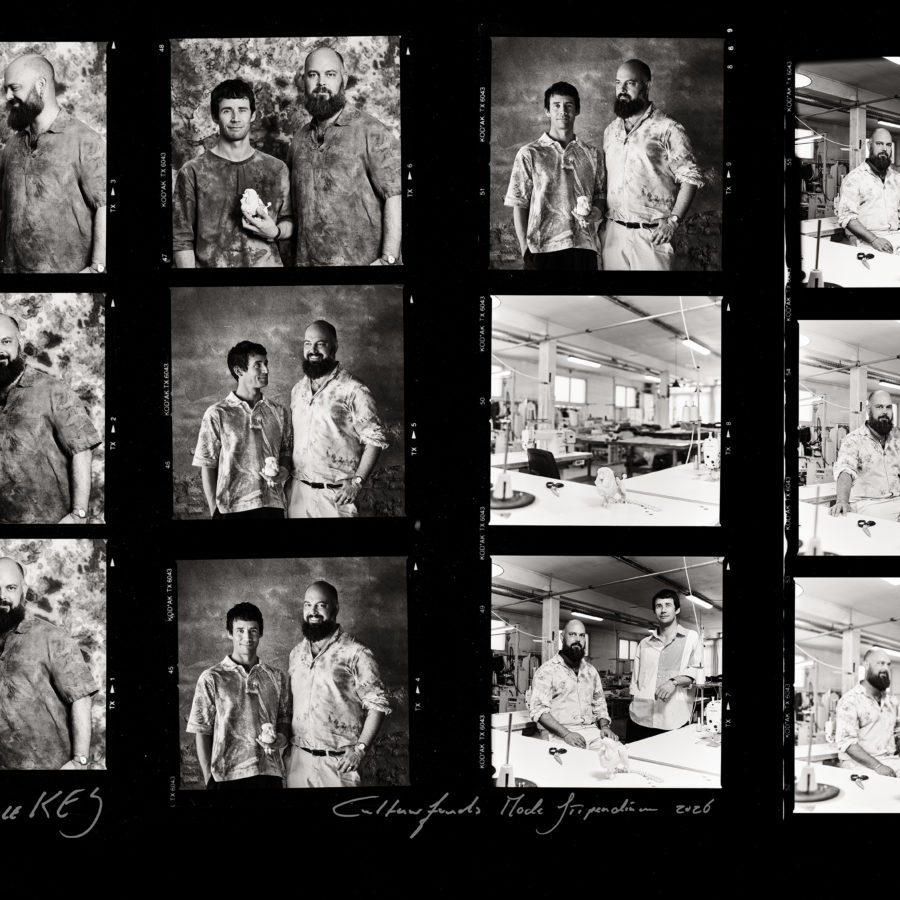
Because we do not rely on conventional supply chains, we have more freedom to shape our own. We don’t source from large fabric mills or manufacture overseas. Everything happens close to home, within a network of people we know by name. Driven by the incoming materials that others have thrown away.
This flexibility is also a form of design. The system itself is a creation; evolving, layered and responsive. But it only works if we can continue to sell what we make. And for that, we need partners: boutiques, clients, collaborations, events and our Hul le Kes Salons.
Too often, we see how deeply ingrained traditional retail habits still are. Standard cycles of pre-orders, sales, stock clearance; they are hard to break for many. The larger the store, the harder the patterns seem to shift.
Yet we are not alone. Small, independent retailers are willing to try something new. They recognise the value of our approach and want to be part of it. Their courage makes it possible for our system to grow and evolve, and therewith to make more environmental and social impact.
Patrick Ford from Ford General in Chicago told us during Paris Fashion Week how some of his customers treat their Hul le Kes pieces like collectors’ items. They keep the passports, use them as a diary.
We see the same thing here in Arnhem. We see more and more people saving up for their next Hul le Kes item, treating it with as much care as we have put into it during its designing and making process.
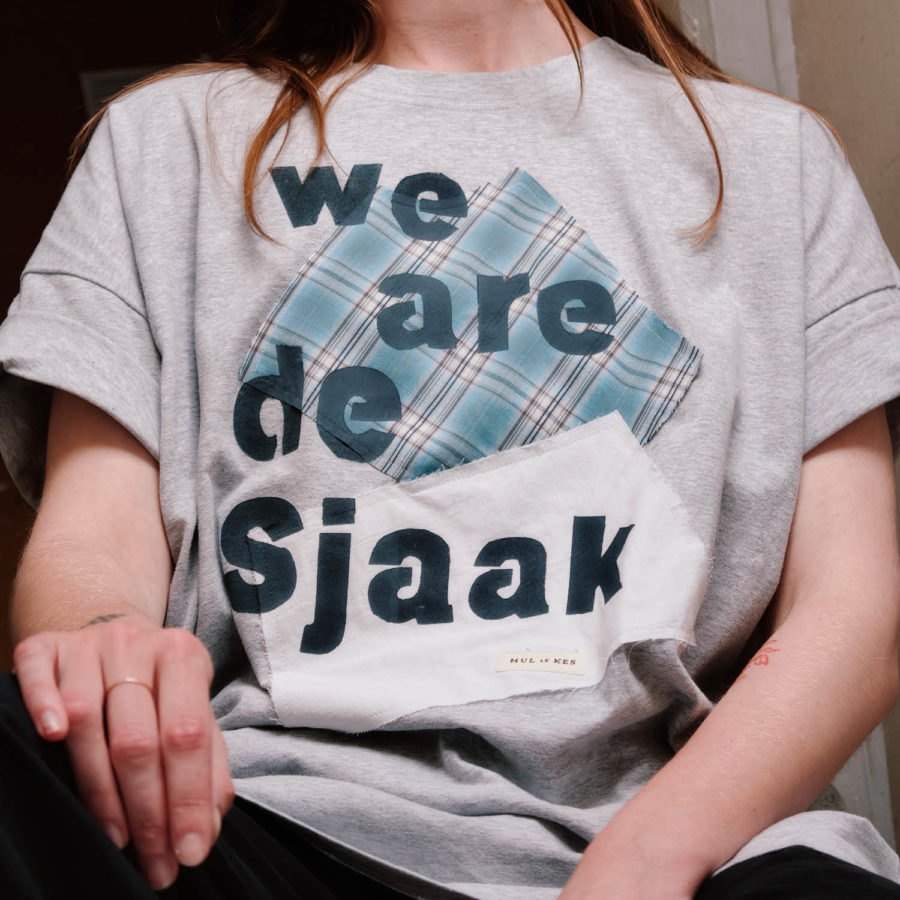
It has been the reason for us to change the regular Hul le Kes Store in Arnhem to a more personal gathering during the Hul le Kes Salons. Twice a month you and your friends are welcome into the creative home of Sjaak Hullekes. The Salons are moments of exchange, rather than just a shopping experience. Moments of encounters rooted in curiosity, honesty and care.
This is what keeps us going, what makes us to choose alternative directions. The people who choose with care, those who dare to change the world we live in. The shops that take a leap. The believe that fashion can do more than just dress the body. A world in which fashion can reflect values, shape relationships, open minds and show personal character.
What we do is definitely not the easy way out, but it is deeply human. And perhaps that is precisely its strength.
with love,
Sebastiaan Kramer